
Historic England has awarded Rotherham Metropolitan Borough Council more than £77,000 to help save an important part of South Yorkshire’s industrial heritage. The Grade II* Rockingham Kiln in Swinton, near Rotherham, was once part of an internationally renowned porcelain works, producing flamboyant ornaments and dinner services for royalty and aristocracy including King William IV.
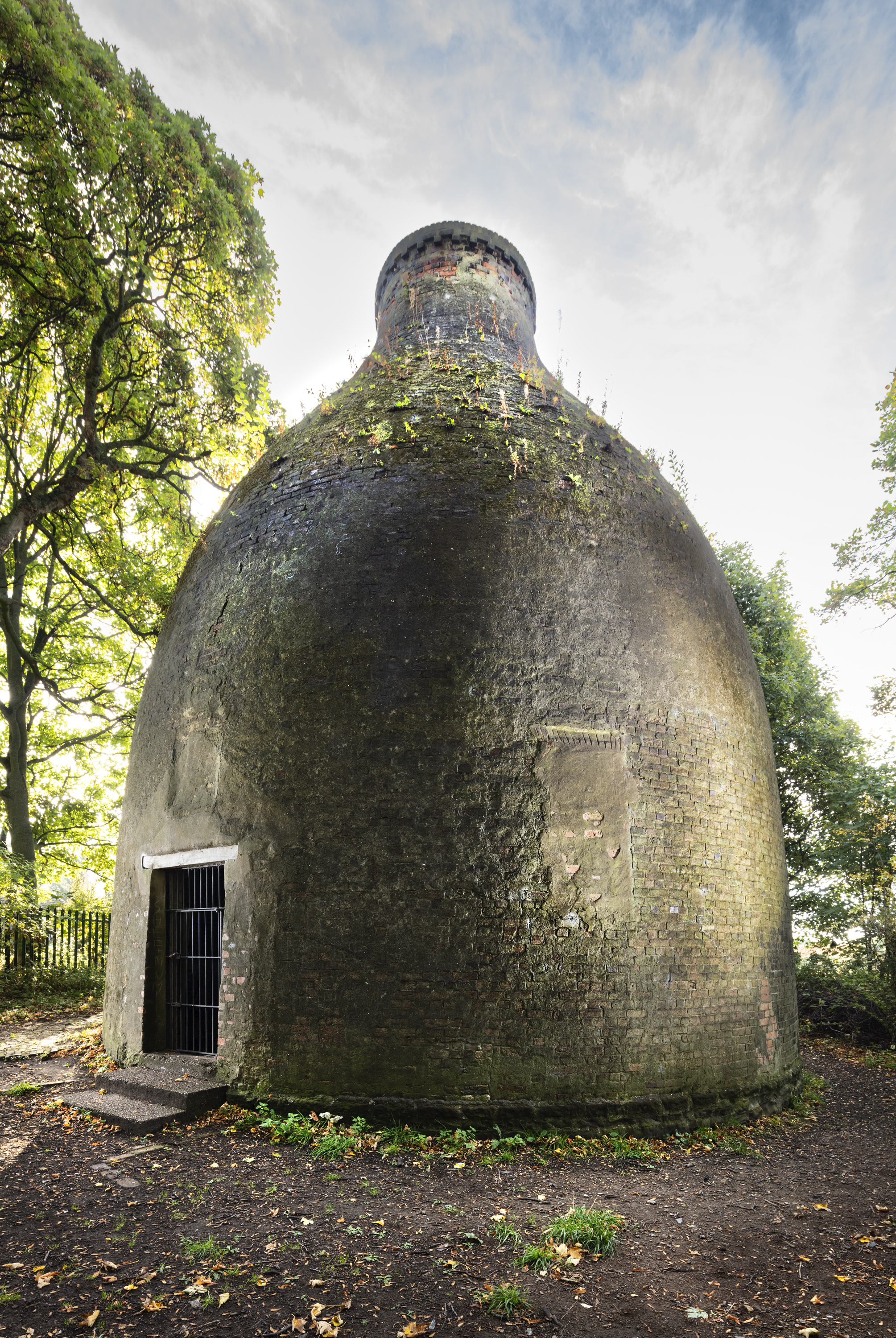
Dating from 1815, the bottle-shaped building formed part of the Rockingham Pottery, which evolved from an early works established in 1745. The site changed hands several times until 1806 when it was run by John Brameld and sons. They began experimenting with porcelain and, whilst not financially successful, the Rockingham Pottery became famous under the patronage of the Earl Fitzwilliam, who lived at nearby Wentworth Woodhouse. The pottery remained in business until 1842.
Owing to its declining condition, the Grade II * listed kiln was added to Historic England’s Heritage at Risk Register in 2022. Historic England’s grant of £77,528 will help fund essential repairs to the kiln, as well as enable public access so it can be enjoyed by the local community.
Giles Proctor from Historic England said: “This elegant kiln once produced pottery that was used and admired across the world. It is a valuable part of Rotherham’s heritage and I’m proud that Historic England has been able to play a role in securing its future.” Leanne Buchan, Head of Creative Programming & Engagement at Rotherham Metropolitan Borough Council, added: “We’re delighted to be able to restore this important part of Rotherham’s heritage. The Council team has worked tirelessly for years to bring this project to fruition and to creatively and sensitively reveal the important role this site has played in the both the history of the borough and the nation.”


