
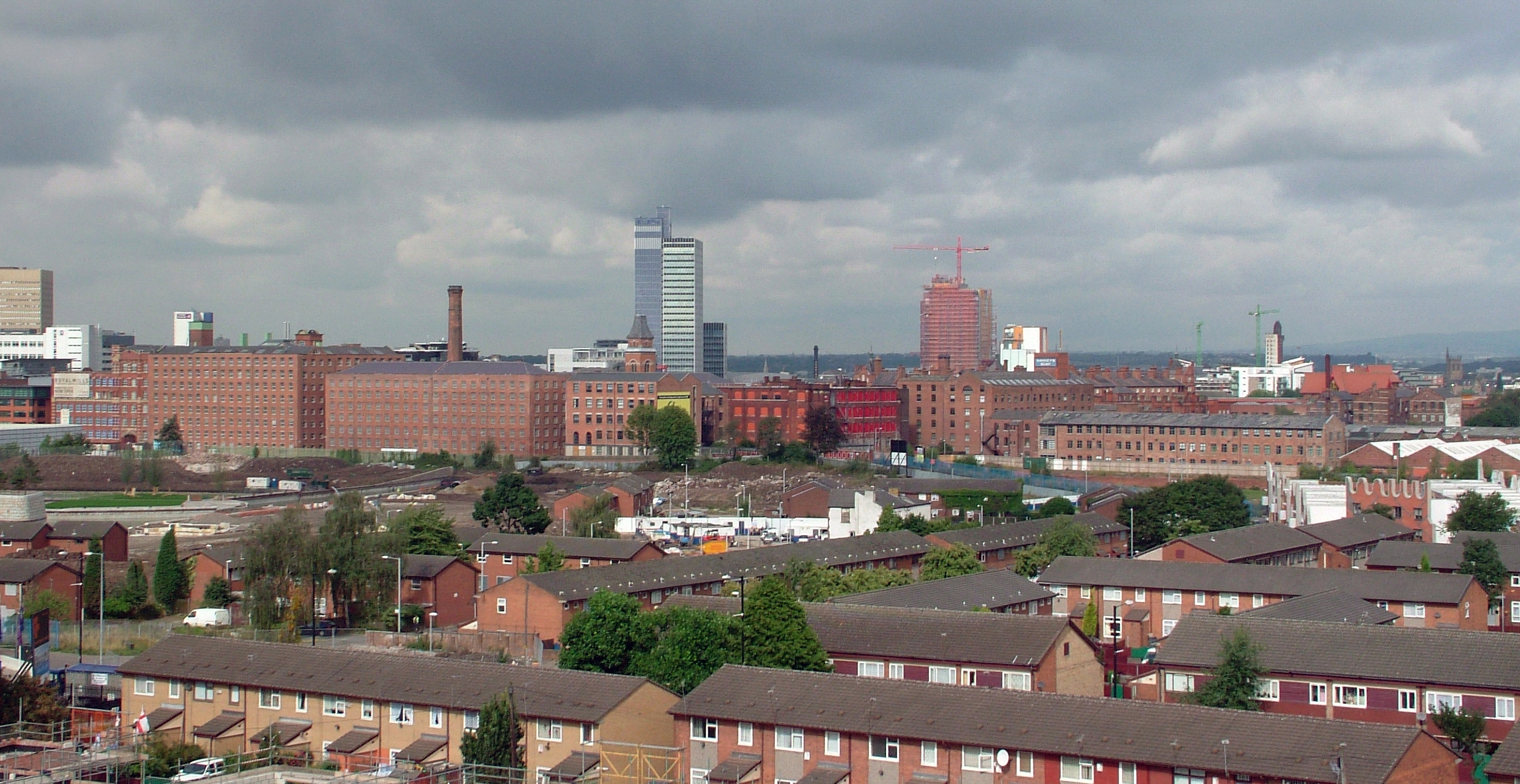
Historic England’s latest Heritage Asset guide deals with the above and below ground archaeology of the industrial textile mill, from spinning and integrated mills to weaving sheds and the power plants needed to run these sites. The textile mill is one of the iconic monuments of industrialization, and a variety of different ways of recording such mills has emerged; as an example of engineering technology, as a standing building type, as a housing for textile machinery, and as an archaeological object to be excavated.
The study of the mill (essentially a building housing machines for processing raw materials, but especially grain and textiles) in all its various forms has for many years been one of the themes that has driven the development and practice of industrial archaeology and their preservation as industrial heritage sites. This new guide provides an essential overview of the manufacturing process, their architecture, and their adaptation and local community importance in a post-industrial age.
Download the Heritage Asset introduction from here: https://historicengland.org.uk/images-books/publications/iha-textile-mills/

 Industrial Heritage Support
Mike
Worth a short review in IA News! Pity no mention of the textile World Heritage Sites while Whitchurch Silk Mill image doesn’t show front with the pediment mentioned in the caption.
Keith
keithfalconer@blueyonder.co.uk
Absolutely!