
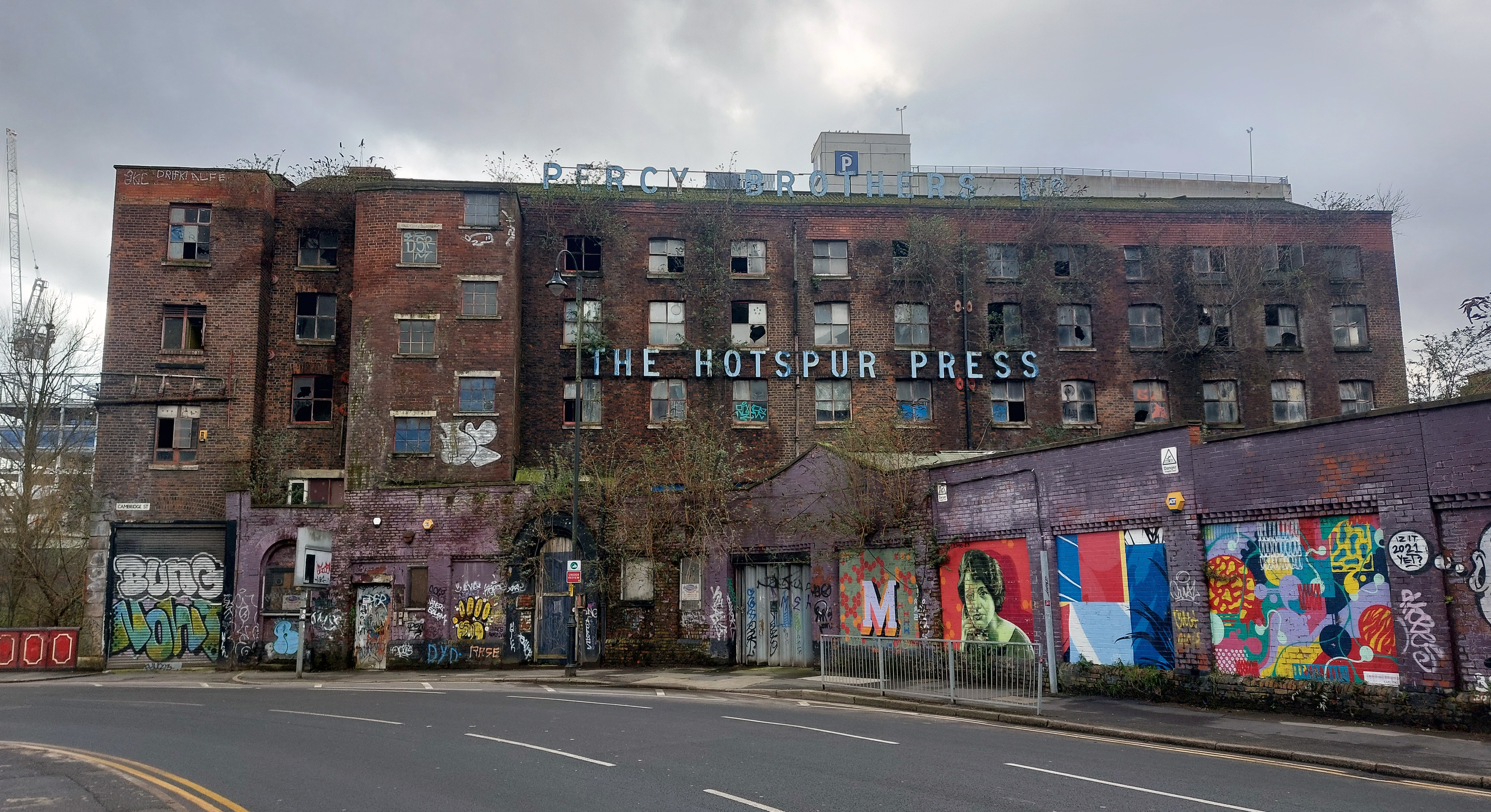
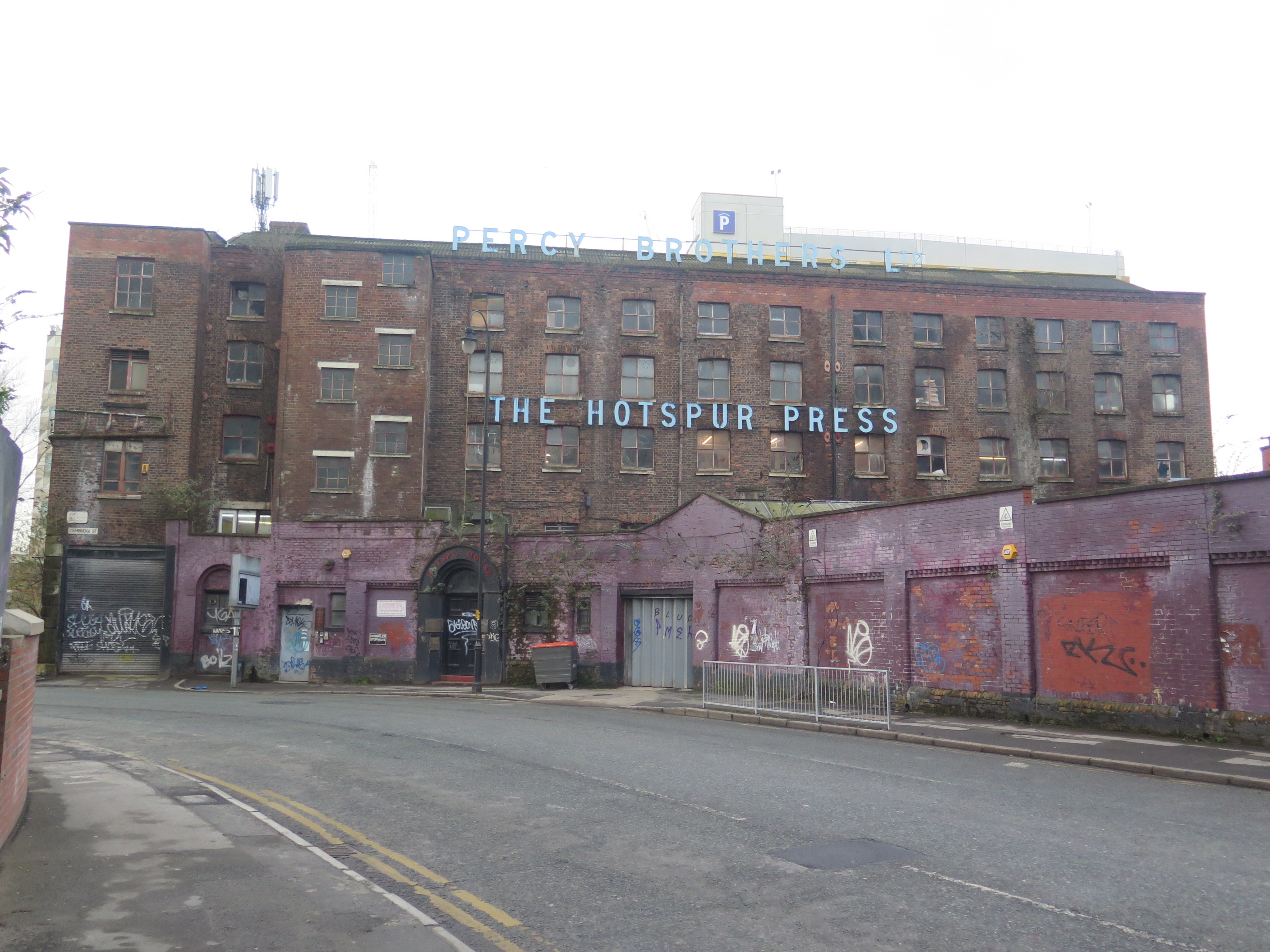
The Georgian Group, SAVE Britain’s Heritage and The Council for British Archaeology have joined together to challenge the Department for Culture, Media, and Sport (DCMS)’s decision not to list one of Manchester’s earliest surviving cotton mills, Medlock Mill. In a highly unusual move, Lisa Nandy rejected the advice of Historic England, the government’s statutory adviser on the historic environment, and refused the listing of Medlock Mill in January 2025.
The Secretary of State’s decision not to list the historic mill – the earliest part of which dates from 1794-1801 making it probably the oldest upstanding such remains in the city – follows the approval of plans to substantially demolish the building and construct a 37-storey tower block on the site, whilst retaining the facade of the structure. There are perhaps three standing late 18th century textile mills left within the City Manchester, although 45 mill sites are known to have existed by 1800. In the wider city region, 387 textile mills were built in the 18th century, most of these in the years 1780 to 1800, when over 200 cotton mills were constructed, the largest concentration in the world at this time.
In a letter to the Secretary of State Lisa Nandy, which accompanies the formal request for a review of the decision, The Georgian Group’s Director Designate Anya Lucas said: “The absence of any compelling reason not to list this important industrial building – combined with overwhelming evidence in support of designation and a detailed and authoritative recommendation to list from the government’s own statutory adviser on the historic environment – constitutes clear grounds for a formal review. To refuse to explain or justify this anomalous decision risks undermining public confidence in the listing process”.
Historic England’s research has shown that historic mills, with their robust build and large floor spaces, have the flexibility to take on a variety of new uses. They estimate that disused mills in Northern England could accommodate around 42,000 new homes. Their research can be found here:
Follow this link for the Geirgian Groups full statement: https://georgiangroup.org.uk/2025/03/03/government-urged-to-rethink-refusal-to-list-rare-manchester-mill/
 Industrial Heritage Support