
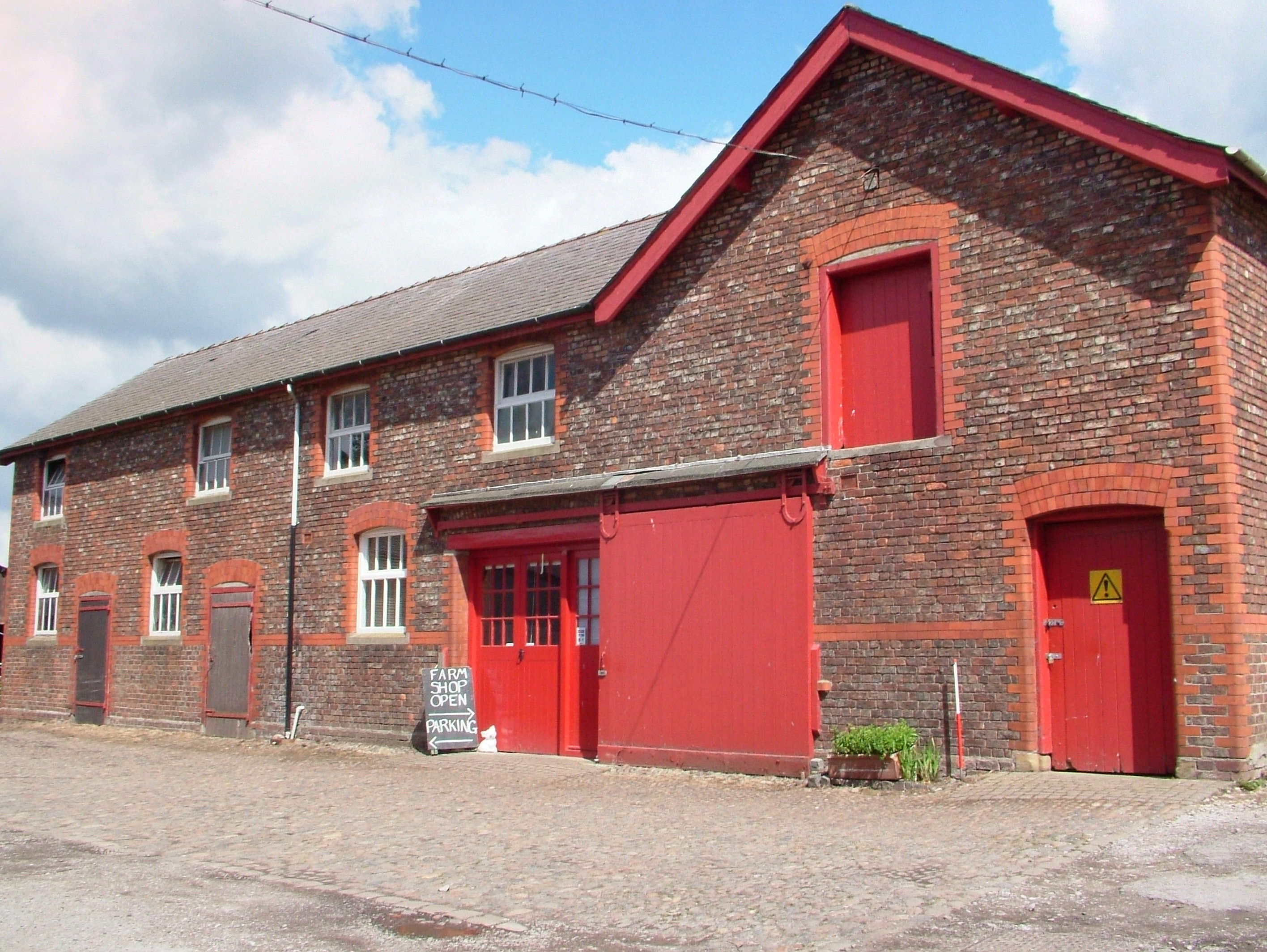
Just before the UK General Election was called on 23 May 2024, the Government announced that it had abandoned plans to lift a ban on the use of a new Permitted Development (PD) policy in national parks and landscapes. While the new PD policy that will enable the conversion of agricultural buildings and barns into residences without planning permission to go ahead, the UK Government will no longer seek to remove a ban on such development in National Parks and Areas of Outstanding Natural Beauty.

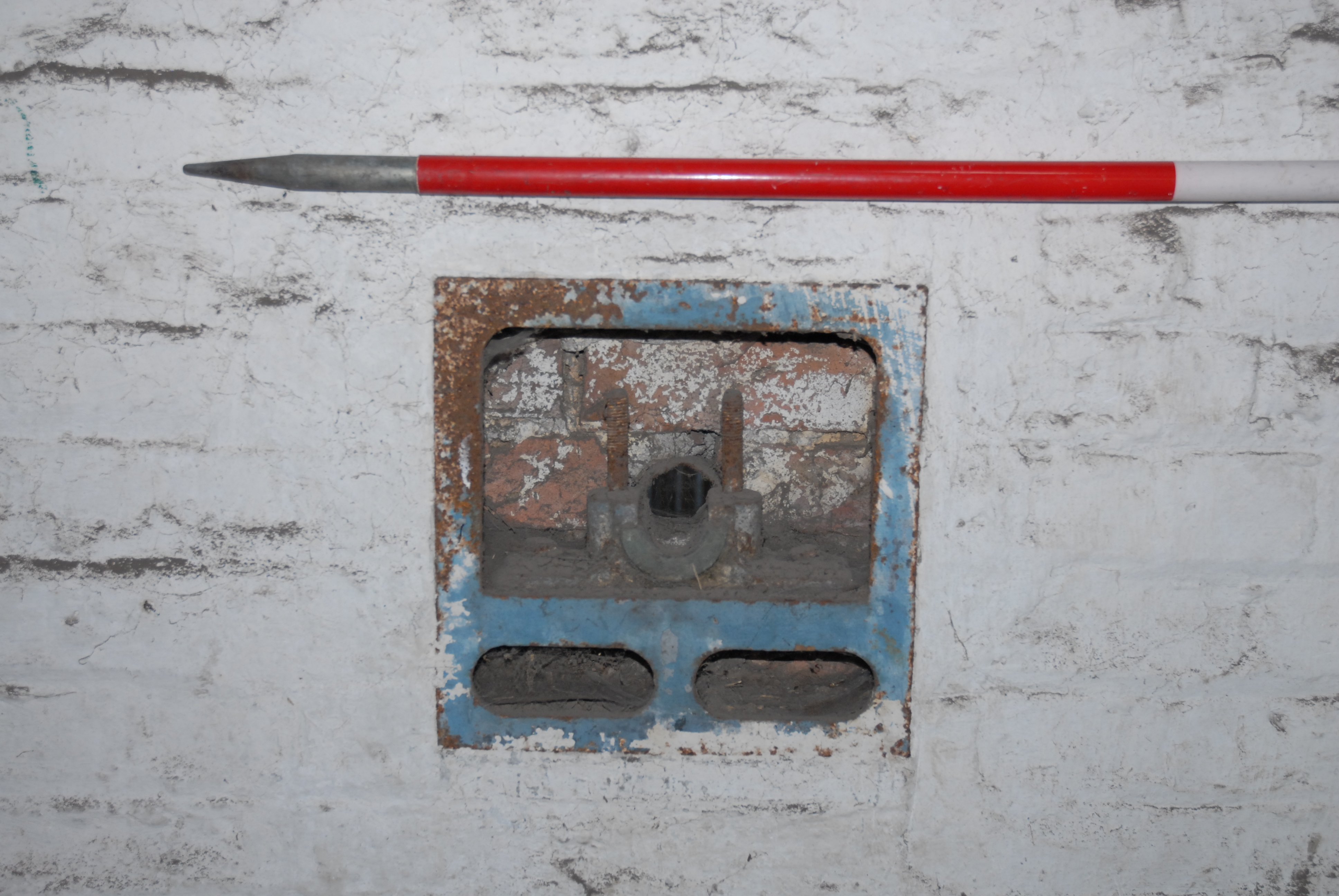
The classic agricultural barn was a multi-purpose structure, with tens of thousands surviving in urban and rural locations in England from the late medieval period to the 20th century. The term covers many different types of agriculrual building. Thus, the planning policy change has implications for those agriclutural buildings that were used in a variety of rural manufacturing processes, from wood turning and rope making, to crop processing and storage. Many 19th century barns still retain line shafting and pullies that were driven by portable steam engines using belt drives. This activity usually took place seasonally.
In the 2000s English Heritage (now Historic Emgland) undertook a regional survey of Histoiric Farmsteads in England, with overviews for the East Midlands, East of England, North East, North West, West Midlands, South East, South West, and Yorkshire and Humberside. This culminated in a listing guide in 2011, updated by Historic England in 2017, when they also published a guide to adapting traditional farm buildings. These reports can be dowloaded from the Historic England website here: https://historicengland.org.uk/
For further details on these planning changes follow this link: https://www.planningresource.co.uk/article/1872269/government-abandons-proposal-allow-barn-to-resi-pd-conversions-national-parks-aonbs#:~:text=The%20government%20has%20confirmed%20proposals,in%20national%20parks%20and%20landscapes.
 Industrial Heritage Support